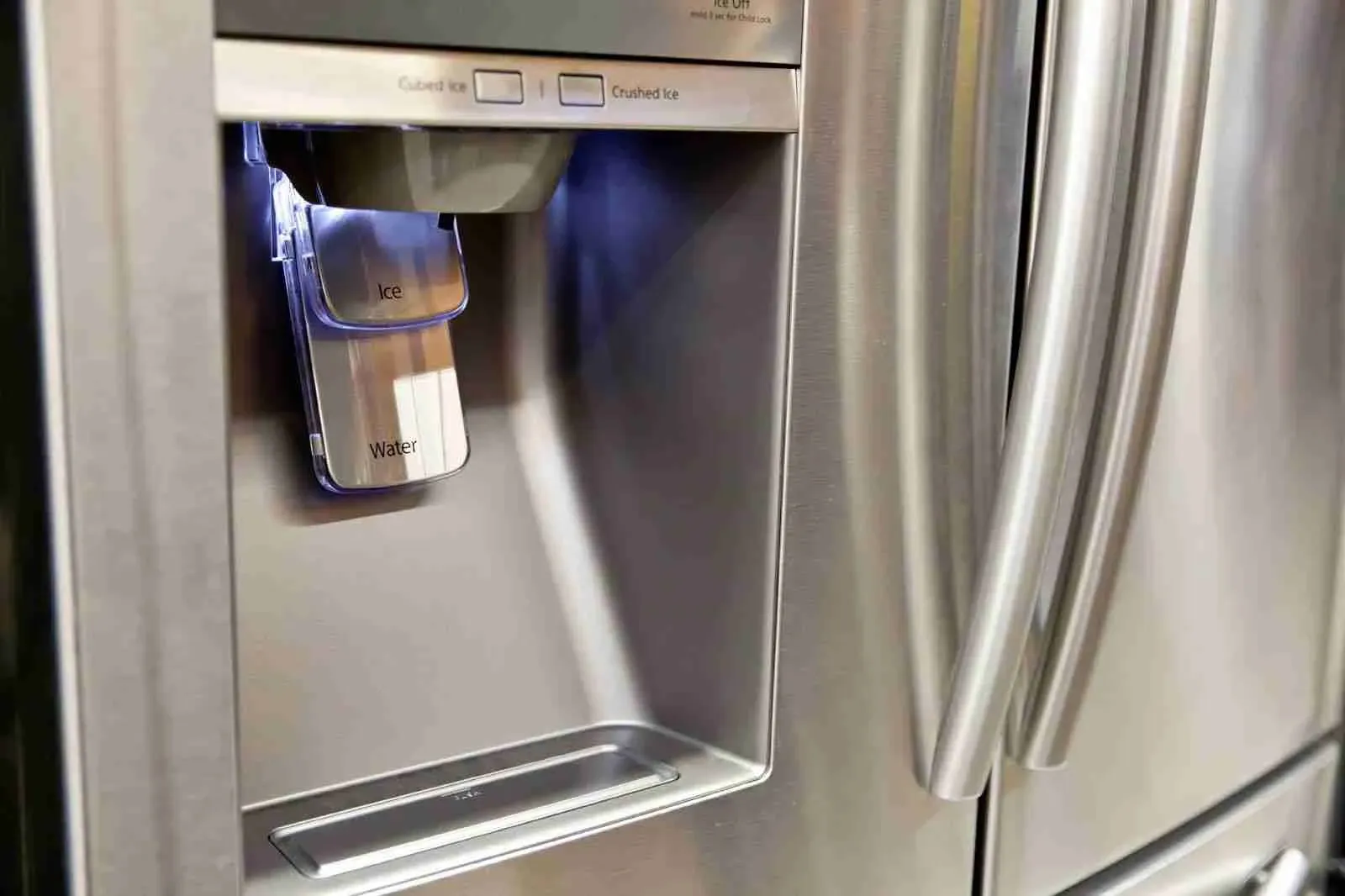
It’s 2 a.m. in Atlanta, and your kitchen suddenly fills with strange clanks, buzzes or pops. Half-awake, you might find yourself wondering, why is my fridge making a weird noise? Under normal conditions, a fridge should produce a steady hum around 40-43 dB — about as quiet as a library, according to the National Noise Pollution Clearinghouse. But when that hum turns into a fridge making weird noise, a sharp buzzing noise or a random knocking noise, it’s a clear sign something’s off. Ignoring these sounds can lead to spoiled food, higher energy bills and costly repairs. In this guide, we’ll explain what these different noises mean, share five practical tips on how to fix a noisy refrigerator and help you decide when it’s time to call the experts at Appliance Care of Atlanta.
What different types of fridge noise could mean
Before diving into repairs, it helps to understand what each type of fridge noise means. Not every sound signals a major failure — some are just the natural side effects of your appliance doing its job. Here’s a guide to the most common noises and what they might indicate.
The refrigerator is making a loud noise
If your refrigerator is making a loud noise that sounds like a small generator or even a lawnmower, the problem is often linked to the compressor or condenser fan. These parts work hardest when cooling demands are high, like during hot Atlanta summers or after frequent door openings. A failing compressor or a blocked fan can create a deep, rumbling refrigerator motor noise that resonates through the entire kitchen.
Common culprits include dust-clogged coils, loose fan blades, or worn-out rubber mounts that let the motor shake freely. Ignoring this problem can lead to overheating and eventual compressor burnout, one of the most expensive refrigerator repairs. For more on why this happens and which parts are most likely to fail, check out our guide on common refrigerator parts that break.
The refrigerator is making a knocking noise
Hearing a refrigerator making knocking noise can be unsettling, but it’s often caused by minor issues like loose panels or misaligned fan blades. In some cases, the knocking is just the sound of the fridge’s metal coils expanding and contracting as they heat up and cool down. However, if the noise is rhythmic and consistent, it might be a sign of a compressor under strain or a fan blade hitting ice buildup.
For the best results, make sure your fridge is level and that no components are loose or rubbing against each other. For more on preventing airflow problems that can lead to these noises, read our article on refrigerator air-vent maintenance.
The refrigerator is making a buzzing noise
If your refrigerator is making a buzzing noise that cuts through the usual kitchen hum, it’s often linked to the evaporator or condenser fan. These components are crucial for moving cold air throughout the unit, but when their blades get unbalanced, clogged with dust, or slightly bent, they can start making a constant, weird buzzing noise that only gets louder over time. In some cases, this can turn into a more aggressive refrigerator making a loud buzzing noise, especially if the compressor is working overtime to keep temperatures stable.
If the buzz seems to come from the back, it’s probably the condenser fan, which is more prone to noise in built-in refrigerators that lack proper ventilation. If the sound is coming from the freezer compartment, the evaporator fan might be the culprit, particularly if there’s ice buildup around the blades or restricted airflow.
The refrigerator is making a gurgling noise
A refrigerator making a gurgling noise is usually less alarming, as it often comes from refrigerant moving through the cooling coils or water draining from the defrost system. Occasional gurgles are normal, but if your fridge freezer is making weird noise that sounds like sloshing or bubbling, it could indicate a partially blocked drain or refrigerant moving at high pressure, which can lead to more serious cooling problems.
Sometimes, this gurgling can also come from the water line connected to the ice maker. Trapped air bubbles or small debris within the line can produce a constant refrigerator noise that gets worse over time. For more on this, see our guide onhow poor maintenance and wrong installation break your appliance.
The refrigerator makes a popping noise
If your refrigerator makes a popping noise, it’s often just the plastic interior panels flexing as the temperature inside the unit shifts. This is especially common in newer models with thicker insulation and tightly sealed liners, where rapid cooling and heating cycles can cause materials to expand and contract quickly. These sounds are generally harmless, but if they become frequent or noticeably louder, it could indicate a more serious problem.
One common culprit is refrigerator compressor noise. When the start relay struggles to kickstart the compressor, or if the overload protector is failing, the resulting pressure changes can create sudden pops or clicks as the system tries to stabilize.
Another likely source is the ice maker. As the ice tray flexes to release cubes or the water line refills, you might hear sharp, isolated pops. While these sounds are usually harmless, if they become more frequent or aggressive, it might indicate a clog or misalignment in the water line that needs attention.
Tips to get rid of excessive fridge noise
Even the best refrigerators can become noisy if minor issues are ignored for too long. Here are five practical tips on how to fix a noisy refrigerator without the hassle of major repairs. These solutions cover everything from quick adjustments to preventive maintenance, helping you avoid costly noisy refrigerator repair in the long run.
Level the fridge and add anti-vibration pads
A surprising number of refrigerator noise problems come down to uneven flooring. When the cabinet isn’t level, it amplifies every hum, buzz, and click as the compressor cycles on and off. Use a bubble level to check for tilt, then adjust the front leveling legs until the bubble centers. If your kitchen has older, uneven floors, consider adding anti-vibration pads under the corners. These pads absorb the motor’s micro-vibrations, preventing the fridge from making that annoyin,g weird noise when the compressor kicks in.
Clean the condenser coils and fan blades
Refrigerator compressor noise often starts when dust chokes the condenser coils or clogs the fan blades. Dirty coils force the compressor to work harder, which leads to louder cycling and overheating. Unplug the unit, pull it away from the wall and use a brush attachment to vacuum the coils from top to bottom. While you’re back there, spin the condenser fan to make sure it’s not obstructed by lint or pet hair. A quick five-minute cleaning can cut down on both energy costs and noise.
Defrost the evaporator to eliminate buzzing and grinding
If your fridge is making a weird noise that sounds like grinding or rattling, the problem is often a frozen evaporator fan. When ice builds up around the fan blades, it turns a gentle whir into a harsh buzz. Empty the freezer, unplug the fridge and let it defrost for a few hours. You can speed up the process with a hair dryer or pans of hot water, but be careful not to melt any plastic parts. Once the ice is gone, the fan should spin freely and the noise should disappear.
Replace the start relay before it causes compressor damage
If you’re hearing a repeated refrigerator clicking noise, it’s a strong sign that the start relay is failing. This small but critical component helps the compressor start and when it wears out, the compressor struggles to kick in, producing a constant clicking sound followed by silence. Replacing the relay is a quick and affordable fix, usually costing less than $20, but ignoring it can lead to full compressor burnout, one of the most expensive noisy refrigerator repair jobs.
Inspect door gaskets to reduce compressor strain
Leaky door seals force your fridge to run constantly, increasing both noise and energy use. Check the gaskets by closing a dollar bill in the door and trying to pull it out. If the bill slides out easily, the seal is worn out. Replace the gasket to keep cold air in and noise levels down. This simple fix can cut down on refrigerator motor noise and extend the life of your compressor. If the noise persists even after a gasket replacement, it might be time for a professional assessment — book a visit with our refrigerator repair service in Atlanta for a thorough inspection.
These five steps cover the most common sources of refrigerator noise, from loose mounts to dirty fans. With regular maintenance and quick attention to small issues, you can keep your fridge running quietly for years to come.
Is it safe to repair a noisy refrigerator by yourself
Jobs like leveling the cabinet or brushing dust off the coils are DIY-friendly. But if you’re wondering “why my fridge is making a humming noise” or hearing a persistent fridge motor making a weird noise from deep inside the chassis, caution is key. The wiring and refrigerant lines that create a refrigerator making rattling noise sit under high voltage and high pressure — one wrong move can turn a quick tweak into an expensive, noisy fridge compressor repair. Our rule: if the fix needs more than a screwdriver and a power unplugging, let a certified technician handle it to protect both your appliance and your safety.
Leave the difficult task of noisy refrigerator repair to Appliance Care of Atlanta
If you’ve run through the easy fixes yet still hear your unit making a weird noise — anything from a low hum to a stubborn refrigerator making a rattling noise — it’s time to bring in certified help. Today’s cooling systems hide high-pressure refrigerant lines, sensitive control boards and sealed compressors that don’t forgive trial-and-error tinkering. One wrong move can turn a minor buzz into a failed compressor.
Appliance Care of Atlanta handles everything from routine tune-ups to precision built-in refrigerator repair. Our technicians carry factory parts and diagnostic tools that pinpoint problems fast, whether the culprit is a worn fan motor or a start relay causing that rhythmic click you hear at night. Skip the guesswork — book your appointment through our built-in refrigerator repair page and let the noise become yesterday’s problem.
Conclusion
A refrigerator should fade into the background, not dominate the kitchen soundtrack. Light sounds — a faint hum, a gentle whoosh — are normal; persistent clanks, buzzes, or pops are not. Address simple issues early and trust Appliance Care of Atlanta for everything more complex. With the right care, your fridge stays quiet, efficient, and ready for whatever midnight snack you have in mind.
-
James is a seasoned appliance specialist with over 10 years of experience at company. He is a certified expert in Sub-Zero, Viking, and other high-end appliance brands, demonstrating advanced technical knowledge and hands-on proficiency in servicing premium equipment. Known for his reliability and results-driven approach, James consistently delivers efficient, high-quality solutions, earning the trust of clients who expect excellence in both performance and service.
13 May 2025
When to call for repair
#Built-in refrigerator #Refrigerator #Repair service